
Last Updated : December 5, 2025 by Jen Goll
Foreclosure can feel overwhelming. The fear, the pressure, the nonstop letters and calls from the bank—it’s a lot. But here’s something many homeowners don’t realize right away: you still have options.
Yes, you can sell a house in foreclosure.
In fact, selling your home may be the best way to avoid some of the financial and emotional fallout of a completed foreclosure. The key is acting quickly and understanding how the process works.
This guide will walk you through what foreclosure actually means, your rights as a homeowner, and how to sell a house in foreclosure before it’s too late.
Before we dive into your options, let’s clarify what foreclosure means.
Foreclosure is the legal process your lender uses to take back ownership of your home when you fall behind on mortgage payments. It doesn’t happen overnight. There’s usually a long ramp-up, known as preforeclosure, before any kind of sale takes place.
That timeline gives you a window to act. And that’s what this article is all about.

You can sell your house during the pre-foreclosure or even after receiving a foreclosure notice, but the earlier you start, the better your chances of a smooth, successful sale.
Foreclosure doesn’t start the day you miss a payment. Most lenders won’t take legal action until you’re at least 90 days behind. In fact, federal guidelines require them to wait at least 120 days before officially starting foreclosure proceedings.
Here’s what the typical timeline looks like:
From here, things vary widely. In some states, foreclosure takes several months. In others, it can drag on for years.
Once you get that notice of default, you’re officially in pre-foreclosure—but your lender hasn’t taken the house yet. This is your window to act.
Why pre-foreclosure is the sweet spot:
Waiting until the last minute? You can still sell, but there are more hurdles and time constraints.
Yes, you can list your home even after receiving a foreclosure notice.
Just know that with every new letter from your lender, your timeline tightens. The closer you get to a scheduled auction, the harder it becomes to close a sale in time. That’s why many homeowners choose to sell during the preforeclosure stage, when they still have more flexibility.
Selling in preforeclosure can also give you time to prep the home, price it right, and negotiate better terms—all of which can help maximize what you get from the sale.
Selling a home in foreclosure doesn’t mean you need to renovate it or put on a full show for buyers. In fact, you can sell it As-Is, especially if time is short or money is tight.
Some homeowners choose to work with traditional real estate agents, list on the market, and hope for a buyer. Others prefer to sell directly to a cash buyer, like House Buyers of America, who can make a quick offer and close fast.
Here’s how a cash sale can help if foreclosure is looming:
It’s a good fit for people who need to move fast or who just want a clean break without added stress.
So how exactly do you go about selling your home if you’re already behind on payments or in pre-foreclosure? Here's what to do.
Before you list, you need to understand what your home could sell for. Use a home value estimator or talk to a local real estate agent to get a ballpark number.
This helps you figure out whether you’ll have enough to:
Next, call your lender and ask for a payoff statement.
This includes:
You need this info to know if a regular sale will cover your debts—or if you’ll need to explore a short sale.
Not every real estate agent has experience selling homes in foreclosure.
You want someone who:
Ask about their experience with short sales, pre-foreclosure listings, and distressed properties. The right agent makes a huge difference.

If your home’s value is less than what you owe on your mortgage, a traditional sale may not fully cover your debt. In that case, you might be looking at a short sale.
A short sale is when you sell your house for less than the balance owed on the loan—with the lender’s permission. It’s not the quickest route, but it’s often better than letting the home go into full foreclosure.
Here’s what to know:
That last point is why short sales can be tricky. You’ll want a real estate agent or professional who knows how to navigate this process—and negotiate with the lender on your behalf.
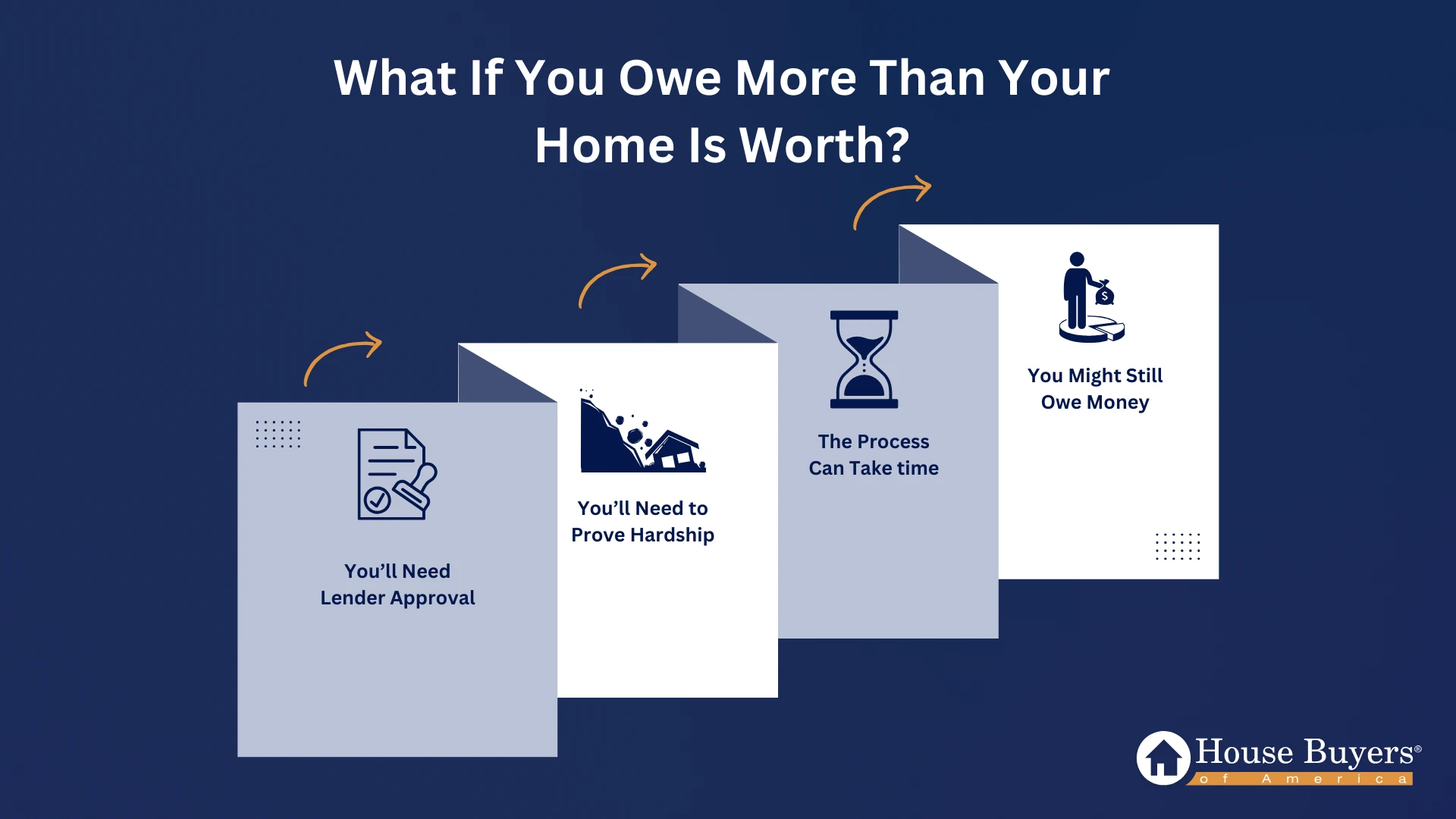
Yes. In many cases, you can stop foreclosure even after it’s started—but it takes action, not avoidance.
Here are a few ways to halt the process:
Every option comes with pros, cons, and timelines. The key is to move early and communicate with your lender. Most banks would rather work with you than foreclose—especially if you're showing effort.
If the foreclosure sale happens before you sell your home, the house is no longer yours. At that point:
That’s why time is of the essence. If you’re more than 60 days behind on your mortgage and don’t see a way to catch up, it’s time to take action.
Good question—and the answer depends on where you are in the process.
If your home hasn’t been formally foreclosed, and you’re doing a standard sale, you’re not required to disclose the foreclosure status to buyers. Your agent, however, needs to know so they can help you price the home correctly and close fast.
In a short sale, the buyer will find out eventually because the lender must approve the deal. And if your home’s already been repossessed and listed as a foreclosure, it’s public record.
That said, transparency is always best with your agent. They can help you navigate timelines, documents, and the best sale strategy for your situation.
Let’s be clear: foreclosure is serious.
But selling your home before it reaches that point can have real upsides:
Searching and Processing Address